Garage shelves, packing nights and climbing error rates. The common signals that it's time to hand fulfillment to a 3PL, and how to tell if you're actually ready.
Most brands start by packing orders themselves: a spare room, then a garage, then a small unit with a rented forklift. That's the right call early on. But there's a point where the time and mistakes cost more than outsourcing would. Fulfillment operators who've watched hundreds of brands make the jump describe a consistent set of warning signs.1,2,3
Inventory has spread from the closet to the garage to a storage unit, and finding a SKU means moving three others. Space you're improvising is space you can't scale.
One owner described in Fulfillrite's roundup went from 10 to 150 orders a week and ended up spending four to five hours a day packing and shipping.1 Those are hours not spent on product, marketing or wholesale accounts.
Recruiting, training and scheduling packers adds overhead, and labor costs spike exactly when sales do. A 3PL turns that into a variable, per-order cost.
Wrong item, wrong address, missing insert. Experts cited by Fulfillrite flag an error rate above 1 to 2 percent as a warning sign.1 Each mistake costs a reshipment, a return and sometimes a review.
Q4, a viral post or a big promotion turns a manageable week into a backlog. Rushing makes errors worse, and onboarding a 3PL in the middle of a spike is the hardest time to do it. The best time to move is a few months before your peak.
Spreadsheet tracking drifts. You oversell items you don't have and miss sales on items you do. Inventory accuracy below 98 percent is another commonly cited red flag.1 A warehouse management system with scan-based picking fixes this at the source.
Late shipments, damaged boxes and wrong items show up in reviews and repeat purchase rates long before they show up in your P&L.
Outsourcing doesn't fix everything. You'll get the most out of a 3PL if:
If three or more of the signs above sound familiar, it's worth a conversation. Tell us about your volume and we'll show you what it would cost.
Industry figures are cited from the sources above and may change. Epic rates are from our current 3PL rate card, in US dollars.
Plug your volume into our estimator, built on the published rate card.
Open the cost estimator →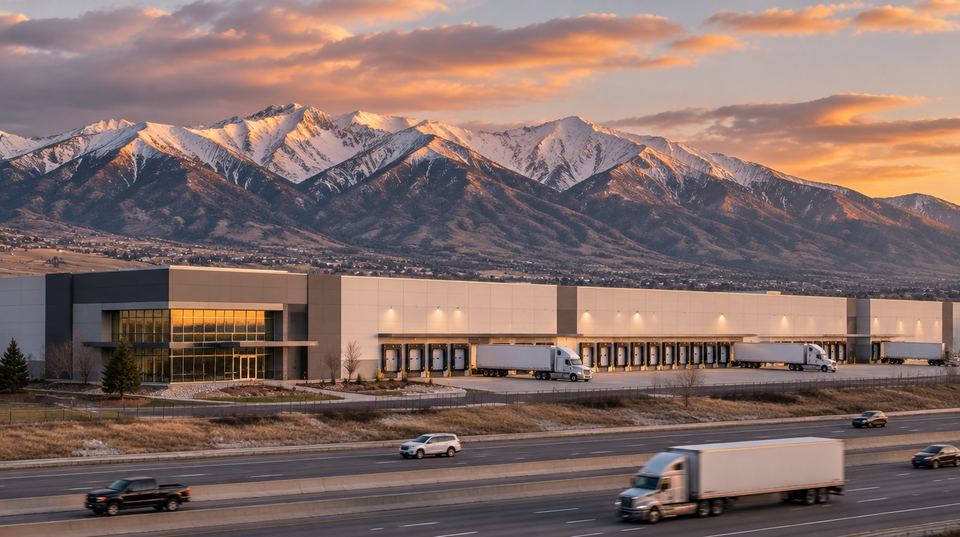
Interstates 15 and 80, a deep logistics workforce, and ground reach to most of the country in two days. Why brands are adding Utah to their fulfillment map.
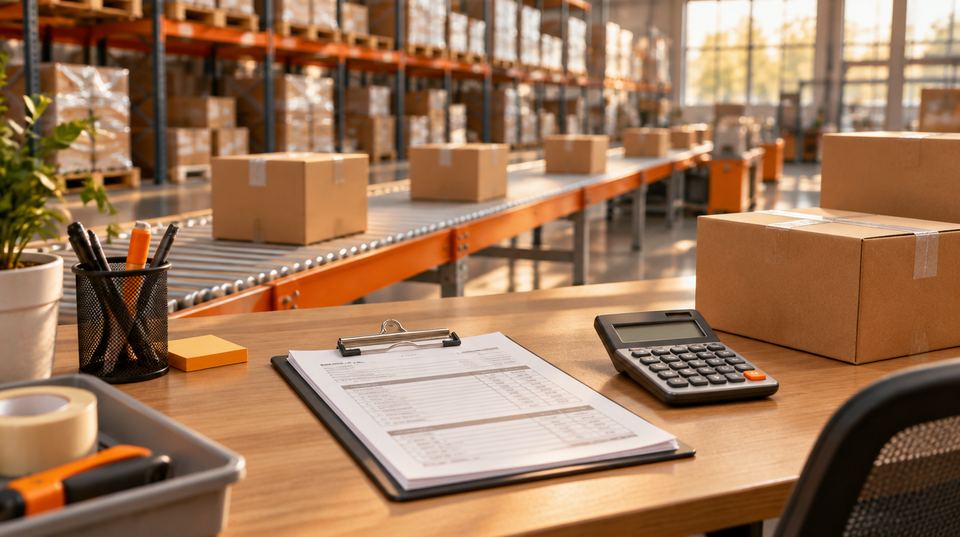
Receiving, storage, pick and pack, order entry, prep. What each line on a 3PL quote pays for, what the industry typically charges, and the fees that never make it onto the first page.
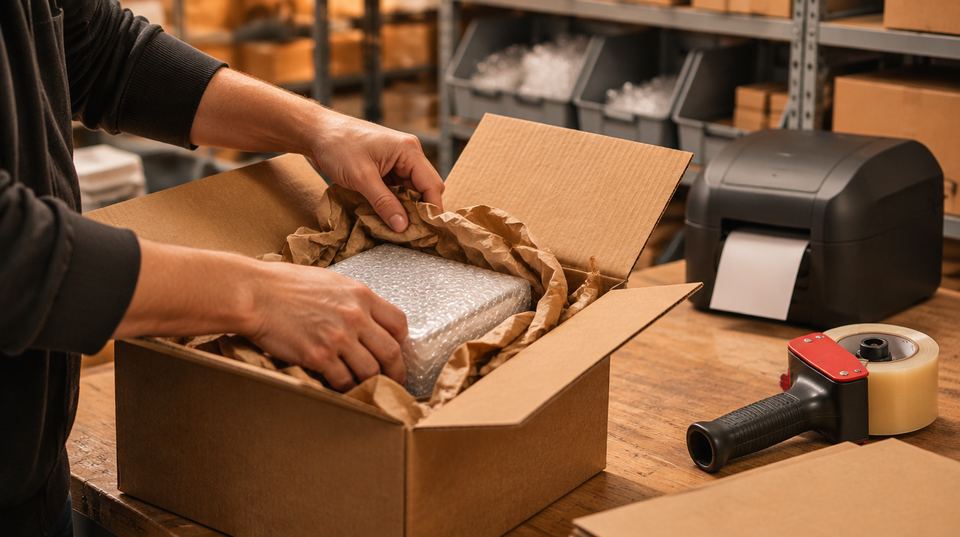
A Shopify brand, an Amazon seller restocking FBA, a wholesale account and two inbound scenarios, priced line by line on Epic's published rate card.
Tell us what you sell and roughly how it moves. We'll reply with a cost estimate built on our published rates, plus how we'd receive, store and ship it.
