Receiving, storage, pick and pack, order entry, prep. What each line on a 3PL quote pays for, what the industry typically charges, and the fees that never make it onto the first page.
If you have collected quotes from two or three fulfillment providers, you have probably noticed they don't line up. One quotes per pallet, another per cubic foot. One bundles packaging, another bills it separately. One charges for receiving by the hour. That's not an accident. Pricing structure is how 3PLs differentiate, and it makes apples-to-apples comparisons harder than they should be.
The good news is that underneath the formatting, nearly every 3PL charges for the same handful of activities. Once you know what each line pays for, you can read any quote, including ours.
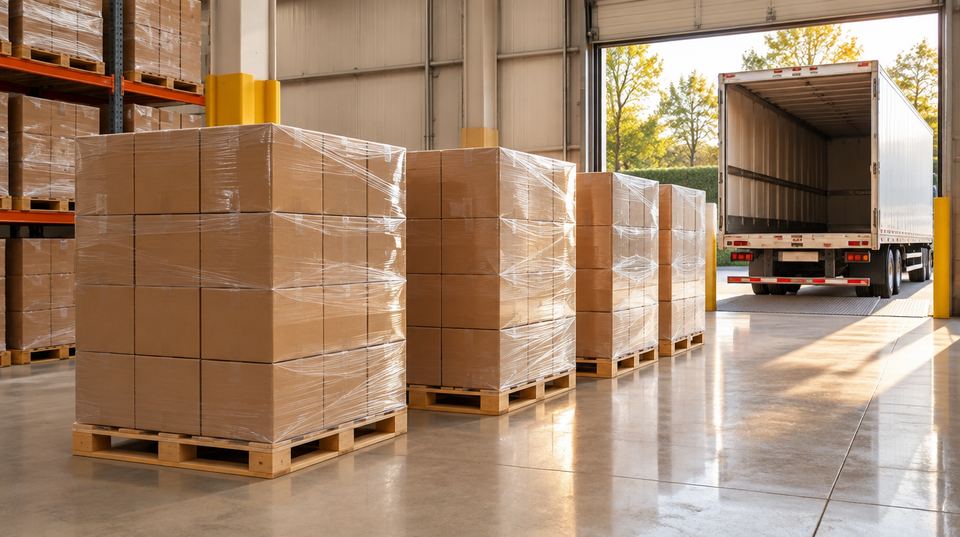
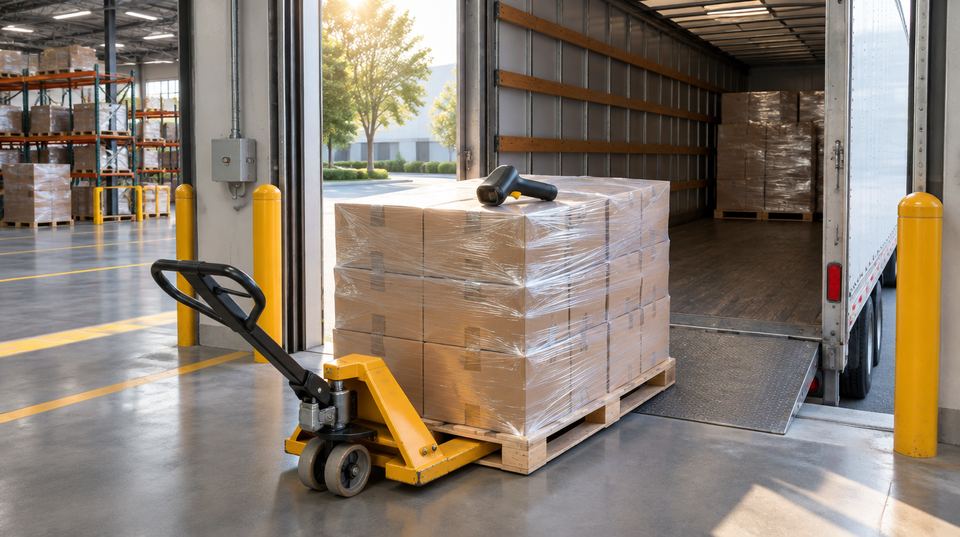
Receiving covers unloading your inbound shipment, counting it against what you said was coming, inspecting it, and putting it away into a storage location. Providers bill it a few different ways: per pallet, per carton, per unit, per container, or per labor hour. Industry benchmarks published by Speed Commerce put typical receiving at roughly $25 to $50 per pallet or $0.30 to $1.50 per unit.1
What drives the price up is anything that makes counting slower: mixed SKUs on one pallet, loose floor-loaded cartons, missing labels, or a shipment nobody knew was coming.
Storage is usually billed monthly, by pallet position, bin or shelf, or cubic foot. Benchmarks land between $8 and $40 per pallet per month, with most providers in the $15 to $25 range.1
Two details matter as much as the rate itself:
This is the line most people compare first: the cost to pull an order from storage, pack it and put a shipping label on it. Most direct-to-consumer 3PLs charge a base price per order that includes the first item, plus a smaller charge for each additional unit. Speed Commerce's benchmarks put the base at about $2.50 to $3.50 per order plus $0.20 to $0.50 per extra item.1
Read the fine print on what's included. Packaging materials, void fill, inserts and the label itself are sometimes bundled and sometimes billed as separate lines.
Wholesale orders, retail replenishment and Amazon FBA restocks move in master cartons and pallets, not polybags. They're typically priced per case or per pallet built. At Epic a case order is $4.00, a single-SKU pallet order is $20.00, a mixed-SKU pallet is $30.00, and a wood pallet from us adds $12.00. Those rates assume no prep work, which brings us to the next line.
Some providers charge a monthly platform or integration fee. Others charge per order when their staff have to key orders in manually. The lesson is the same either way: automated order flow is cheaper than email.
Kitting, bundling, bagging, barcode labeling, inspections and extra inventory counts are almost always billed as labor, either hourly or per unit. Ask a provider to estimate the hours for a sample project so you can compare.
The gap between a 3PL's quoted rates and the all-in monthly cost can be large. Speed Commerce estimates it can reach 60 to 120 percent.1 Before you sign with anyone, ask directly about:
Other operators have published similar checklists, and they're worth reading side by side.2,3
Want to see this done with real numbers? We worked through five example months on our rate card, or you can try the cost estimator.
Industry figures are cited from the sources above and may change. Epic rates are from our current 3PL rate card, in US dollars.
Plug your volume into our estimator, built on the published rate card.
Open the cost estimator →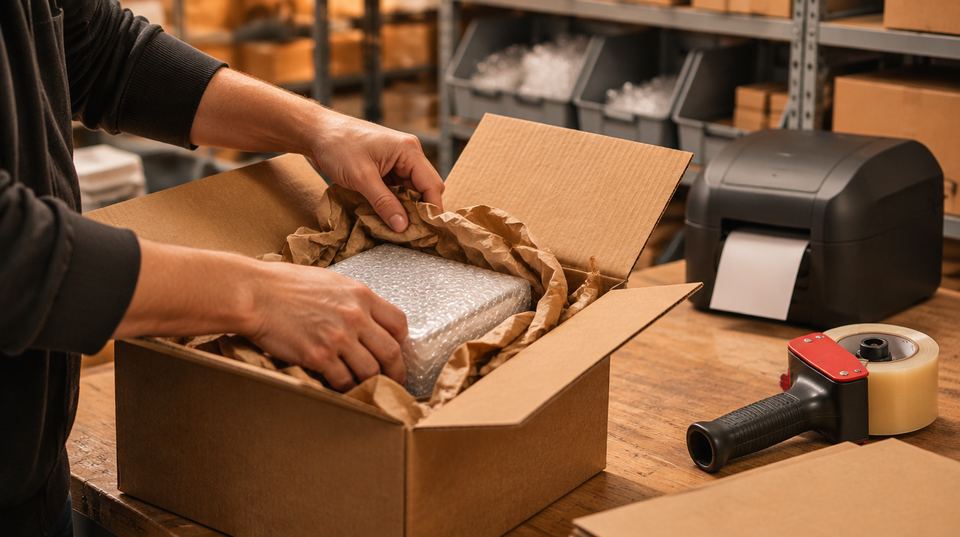
A Shopify brand, an Amazon seller restocking FBA, a wholesale account and two inbound scenarios, priced line by line on Epic's published rate card.
Amazon's 2026 fee changes reward sellers who keep FBA stocked lean and steady. Here's how a 3PL fits around that, as a buffer for FBA and as the engine for FBM.
ASNs, labels, pallet builds and the 60-inch rule. A practical checklist for getting product from your factory onto our shelves quickly, accurately and at the lowest receiving rate.
Tell us what you sell and roughly how it moves. We'll reply with a cost estimate built on our published rates, plus how we'd receive, store and ship it.
