Amazon's 2026 fee changes reward sellers who keep FBA stocked lean and steady. Here's how a 3PL fits around that, as a buffer for FBA and as the engine for FBM.
For years the default advice for Amazon sellers was simple: send everything to FBA. That is getting harder to justify. Amazon's fees now push sellers toward holding a steady, moderate amount of stock in its network. It doesn't want too little, and it doesn't want too much. That is exactly the gap a third-party warehouse fills.
Amazon announces fee changes in Seller Central, and the details vary by size tier and category. Always confirm current numbers there. Industry coverage of the 2026 changes highlighted several shifts:1,2
The 2026 pattern: Amazon wants your inventory in its network in steady, predictable amounts. Overstocking costs you, and so does running thin.
Instead of shipping a full production run straight into FBA, land it at a 3PL and replenish Amazon in smaller waves. You get:
In practice the outbound side is case and pallet orders: $4 a case, $20 for a single-SKU pallet, $30 for mixed. FNSKU labeling is prep and billed at $35 an hour, so ask your manufacturer to pre-label if you can. See Example 2 in our cost breakdowns for a sample month.
Fulfilled-by-merchant orders go straight from the 3PL to the customer. That works well for:
At Epic, FBM and Shopify orders are billed the same way: $1.70 per order with the first unit included, plus $0.30 per additional unit, with shipping and packaging on top. Orders sync through ShipHero, so there's no order-entry fee.
A hybrid isn't for everyone. If you sell a small number of fast-moving, small-standard SKUs with steady demand and can forecast replenishment precisely, sending directly to FBA can be the simplest answer. The hybrid model earns its keep when you have many variants, lumpy demand, large production runs, oversized products or multiple sales channels.
If you answered "a lot" or "yes" to two or more, a 3PL buffer will likely pay for itself. Send us your SKU list and we'll model it.
Industry figures are cited from the sources above and may change. Epic rates are from our current 3PL rate card, in US dollars.
Plug your volume into our estimator, built on the published rate card.
Open the cost estimator →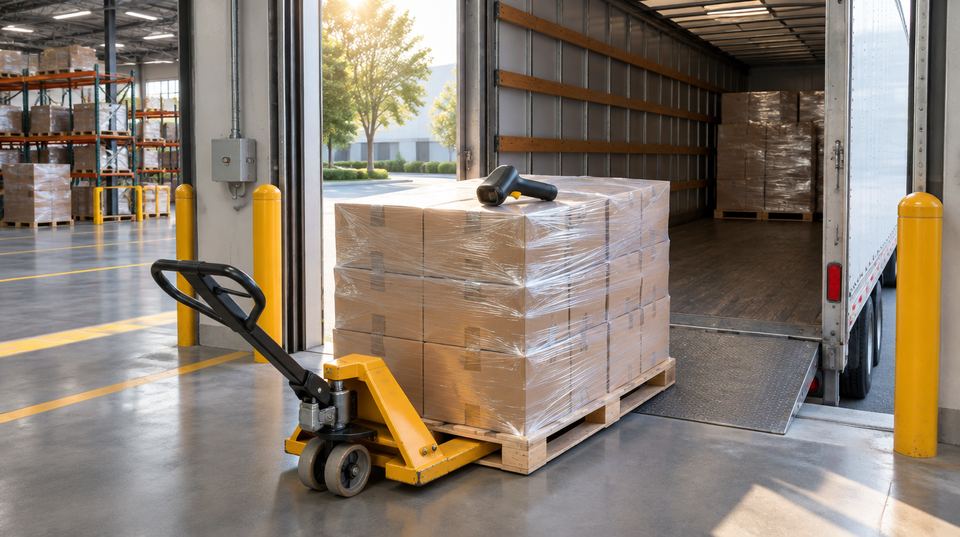
ASNs, labels, pallet builds and the 60-inch rule. A practical checklist for getting product from your factory onto our shelves quickly, accurately and at the lowest receiving rate.
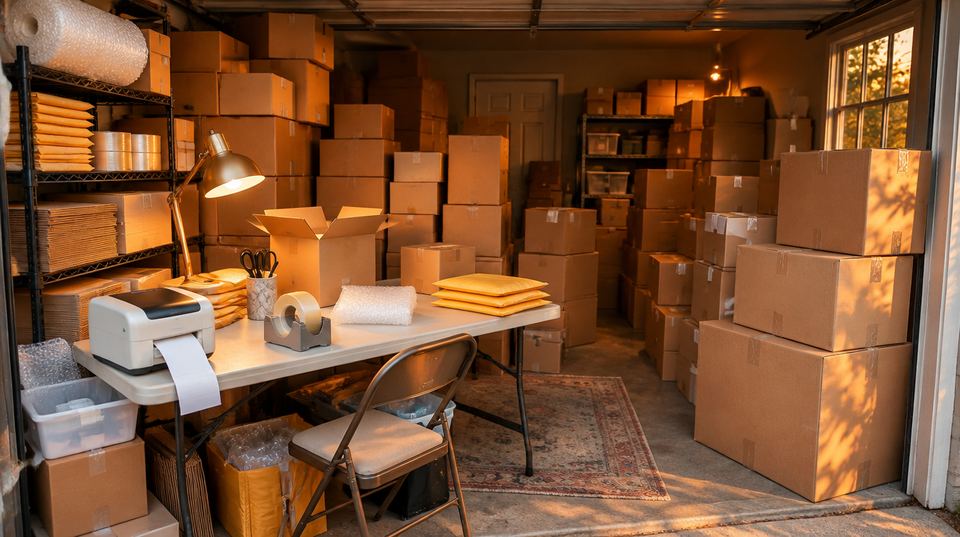
Garage shelves, packing nights and climbing error rates. The common signals that it's time to hand fulfillment to a 3PL, and how to tell if you're actually ready.
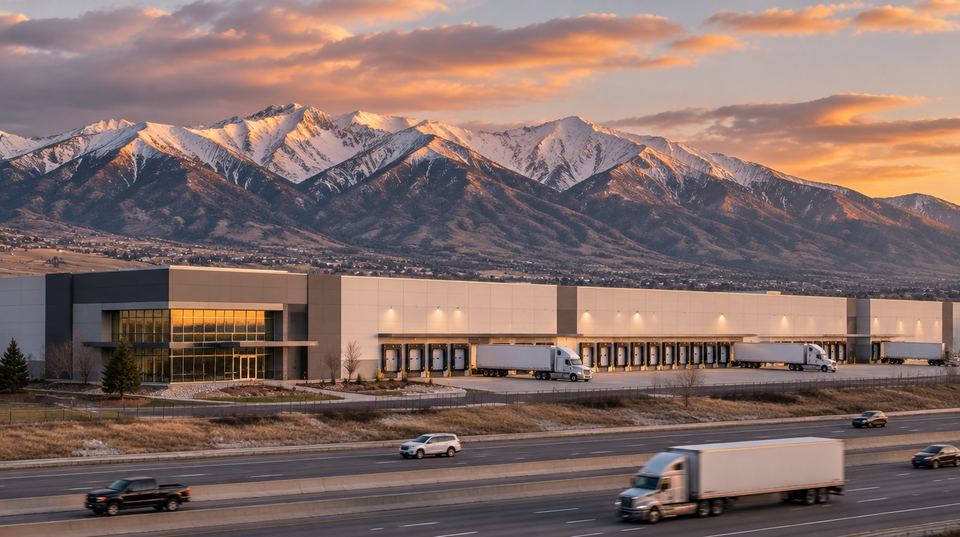
Interstates 15 and 80, a deep logistics workforce, and ground reach to most of the country in two days. Why brands are adding Utah to their fulfillment map.
Tell us what you sell and roughly how it moves. We'll reply with a cost estimate built on our published rates, plus how we'd receive, store and ship it.
